
SEO (Search Engine Optimization) is the process of improving a website so it can rank higher in search engines like Google and attract more organic traffic. It focuses on optimizing content, technical structure, and website authority to increase search visibility and reach the right audience
What Is SEO?
Search Engine Optimization (SEO) is the process of optimizing a website to rank higher in search engine results when people search for information related to their products or services.
In today’s digital age, it is an essential part of helping websites rank higher in search engine results and reaching the right people at the right time. For those who are new to the world of SEO, it is important to have a basic understanding of what SEO is and how it works before creating websites that search engines can easily find and trust.
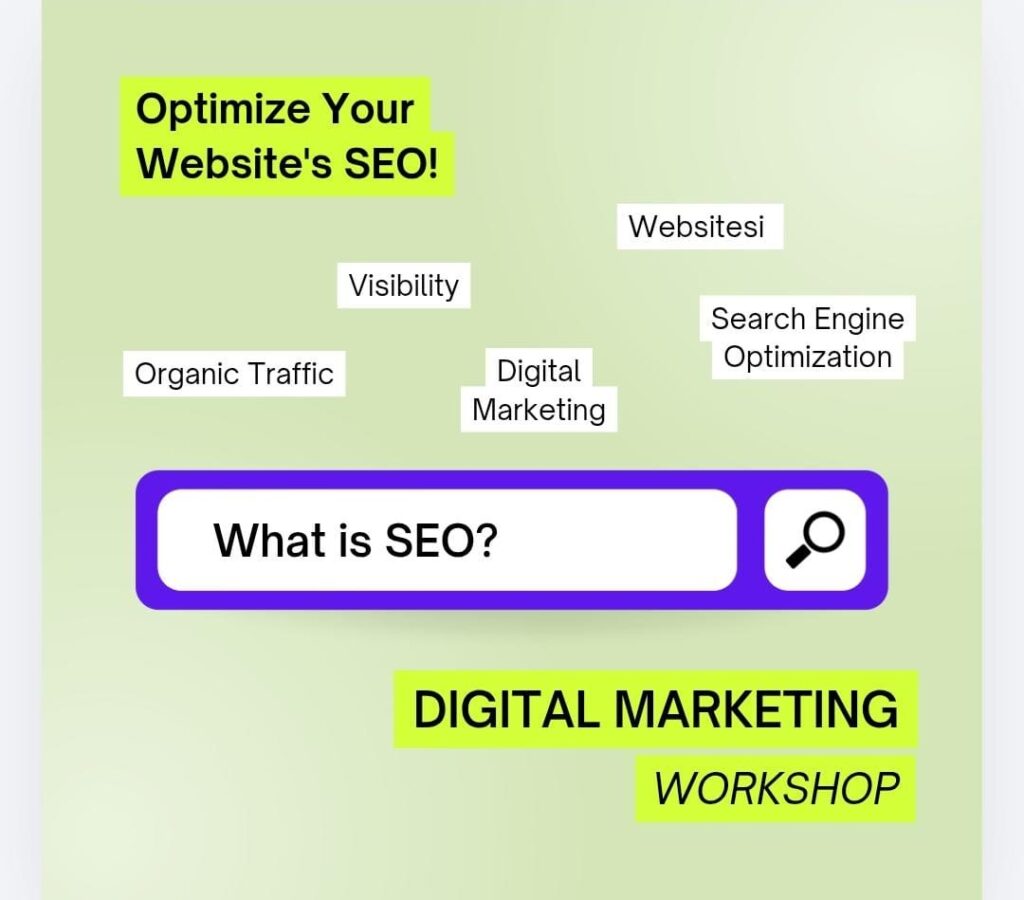
Benefit of seo
SEO provides numerous key benefits to businesses, bloggers, and newbies looking to increase their online presence in a long-term and sustainable manner. One of the most significant benefits of SEO is that it can help increase the organic traffic of a website.Unlike other forms of online advertising, organic traffic does not require continuous spending, but it can still provide a steady stream of visitors over a long period of time. When your website is visible in search engine results, you are able to reach people who are already interested in your content, products, or services.
Another significant benefit of SEO is that it can help increase your online visibility and awareness of your brand. When your web pages rank higher in search engines, more people become aware of your brand, even if they do not click on it immediately.
Over time, this continuous exposure can help build recognition and trust. it can also help improve the usability of your website by optimizing its structure, loading speed, and mobile-friendliness, which can help create a seamless experience for your visitors and encourage them to stay longer on your website.
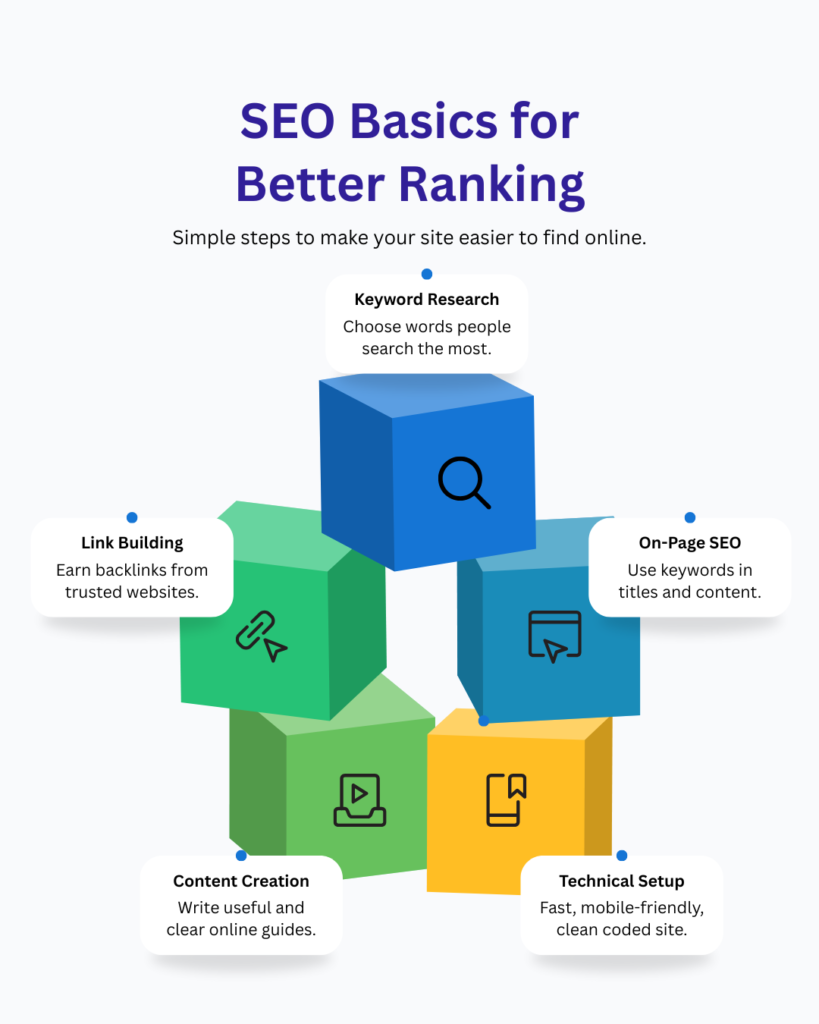
seo contains such
SEO factor
The SEO community involves a lot of crucial factors, such as website optimization, keyword analysis, on-page , off-page , link building tactics, meta tags, content marketing, local SEO, mobile optimization, and technical SEO.
Each of these factors is highly interlinked and plays a crucial role in enhancing the visibility and ranking of a website on search engines. You cannot simply focus on one area, such as content or links, and hope to get optimal results. For newbies, it is highly essential to keep in mind that SEO is not a shortcut or a magic trick. It is a long-term process that helps your website develop gradually over time
Website Optimization – The Basis of SEO
Website optimization is the basis of because it is all about making your website technically sound, user-friendly, and fast both for users and search engines. Website optimization encompasses creating a clean and simple website architecture, optimizing the page loading speed, designing a clear and user-friendly navigation system, using a secure HTTPS connection, implementing proper internal linking, and designing a mobile-friendly website design.
When all these factors are properly implemented, search engines can easily crawl and understand your website, and users can easily navigate through your website without any hassle. But if your website is slow, confusing, and full of technical problems, even the best content will fail to perform and succeed in the SEO world.
Keyword search
KW is one of the most valuable skills you will acquire in the SEO world because it enables you to understand exactly what people are searching for and how they communicate their needs in search engines.
Keywords are the words and phrasespeople use when they are looking to learn something, solve a problem, or find a service online. For instance, if you are targeting beginners who want to learn what is SEO, your keyword research should target simple and straightforward search terms such.
Search intent
Understanding search intent is a crucial aspect of contemporary SEO, and it is often more important than just identifying the right keywords. Search intent is the actual purpose of a user’s search query and what they are looking for when they enter a query into a search engine.
In the community, there are four primary types of search intent: informational, where the user is looking to learn something; navigational, where the user is attempting to access a particular website or brand; commercial, where the user is comparing products or services before making a purchase; and transactional, where the user is ready to take action, such as purchasing or signing up.
For newbies entering the our community, most of the content is centered on informational search intent, particularly newbies learning about “what is SEO,” because newbies are mostly searching for answers and basic knowledge.
On-page SEO
On-page SEO is the term used to describe all the methods of optimization that are implemented directly on your website pages to make them more visible in search engine results. On-page SEO helps search engines to better understand what your content is about and how valuable and relevant it is to users.
By optimizing your pages correctly, you make it easier for search engines to understand your content and for users to find the information they are looking for. Some of the most important elements of on-page SEO are page titles and headings, which are crucial in determining what a page is about. Your main heading should describe what your page is about and what search intent users have when searching for information.
For instance, a heading like “What Is SEO? Beginner Guide to the World” tells users and search engines directly that the information you are providing is about explaining topic in a simple and understandable way.
On-page SEO – Key Factors (with brief descriptions)
Title optimization – The title of your page should describe what the page is about, and it should contain the primary keyword () so that both humans and search engines know what the page is about.
Meta description – A short description of your page that will be shown in the search engine results to entice users to click on your page.
URL structure – The URL of your page should be short, clean, and easy to read, and it should contain relevant keywords.
Header tags (H1, H2, H3) – Header tags are used to organize your content and show search engines what the main and secondary topics of your page are.
Keyword research – Identifying the most suitable words and phrases that people actually search for so that you can create relevant content.
Content quality – Your content should be unique, informative, accurate, and easy for a beginner to understand.
Internal linking – Linking one page of your website to another helps search engines understand your website structure and also helps users navigate your website easily.
Image optimization – The use of compressed images and alt tags to ensure that images load faster and are also readable by search engines
Mobile friendly – Your webpage should be mobile-friendly with proper layout, readable text, and easy navigation.
Keyword density – Keywords should be used naturally in the content without overusing or forcing them.
Content readability – Content should be clear, well-structured, and easy to read using short sentences and simple language.
Outbound links – Linking to trusted and relevant external websites helps improve content value and credibility.
Off-Page SEO Introduction
Off-page SEO encompasses all the techniques and activities that take place outside your website with the aim of making it more visible, credible, and authoritative in the search engine results pages. Unlike on-page SEO, which concentrates on optimizing your website’s content and elements, off-page SEO aims at making your website’s reputation and credibility outside your website.
The primary objective of off-page SEO is to make search engines believe that your website is credible, valuable, and relevant. This is accomplished by activities such as acquiring high-quality backlinks, getting brand mentions, promoting social sharing, accumulating positive reviews, and practicing digital PR. By making your website’s authority outside, off-page SEO can help boost your rankings, drive more organic traffic, and make your website a trusted
Backlinks – Refers to links from other websites to your website that serve as a trust and authority indicator for search engines.
Brand mentions – Occur when your brand or website is mentioned on other websites, and this helps to build credibility and awareness.
Social sharing – Refers to the process of sharing your content on social media platforms, which helps to increase visibility and reach more people.
Online reviews – Help to improve trust and reputation, especially for local businesses.
Digital PR – Refers to the process of getting featured in news sites, blogs, or online publications to build authority and high-quality backlinks. Analyzing on page seo effective for content structure search engine
Local SEO
Local is a process that helps businesses appear to users looking for products or services in a particular location. For instance, when a user searches for “Search services near me” or “digital marketing company in my city,” it helps the most relevant businesses appear. This is particularly useful for small and local businesses because it allows them to connect online searches with actual customers who are ready to visit or contact a business.
Local involves using location-based keywords, local pages, and ensuring that business information such as name, address, and phone number is accurate everywhere online. Customer reviews are also important since they help build trust and inform user decisions. For those who are new to the industry, learning about topic is an excellent way to learn how search engines connect location and user needs.
Mobile Optimization
Mobile optimization refers to the process of ensuring that your website is functioning properly on mobile devices such as smartphones and tablets. Currently, most users access information through mobile devices, and search engines primarily test the mobile version of a website before indexing it. If your website is not mobile-friendly, users will leave your website in a short while, and this will impact your SEO performance negatively.
A mobile-optimized website loads fast, is responsive to the screen size, and enables users to read and click easily. For beginners, one of the simplest and most important SEO tasks they can undertake is to check how their website looks and functions on a mobile device.
Technical SEO
Technical is all about the “back-end” organization of your website. Technical SEO is a method of optimizing your website to make it easier for search engines to crawl, index, and understand your website. Even if you have quality content, technical SEO problems can cause your website to not show up in search engine results.
The key components of technical SEO are page speed, proper URLs, XML sitemaps, proper redirects, and HTTPS security. For beginners, understanding basic technical concepts can help avoid common mistakes and ensure that search engines can easily access and index their content.
Role of Meta Tags
Meta tags are used by search engines and web browsers to understand what a web page is all about. The most crucial meta tags are the title tag and meta description. Both of these tags are shown in search engine results pages and give users a glimpse of what the web page is all about.
A well-optimized title tag increases visibility, and a good meta description can increase click-through rates. For beginners, the key is to keep meta tags simple, accurate, and optimized for keywords.
User Ideas and User-Centric SEO
User ideas in SEO revolve around understanding what users are looking for when they search online. Rather than writing for search engines, beginner SEO emphasizes answering questions and solving problems.
When you write content that answers user questions, like “what is SEO” or “how does it work,” your website becomes more useful and credible. This user-centric strategy increases engagement and keeps users on your website longer, which is beneficial for long-term effective growth.
Common Beginner Errors in SEO
Common errors made by beginners in SEO include trying to quickly rank their website by using too many keywords or copying content from other websites. These strategies are not helpful in the long run and can even negatively impact a website’s performance.
Other common errors include not considering mobile optimization, not focusing on technical SEO, and purchasing low-quality backlinks. Beginners should keep in mind that success in effective topic requires patience, learning, and improvement.
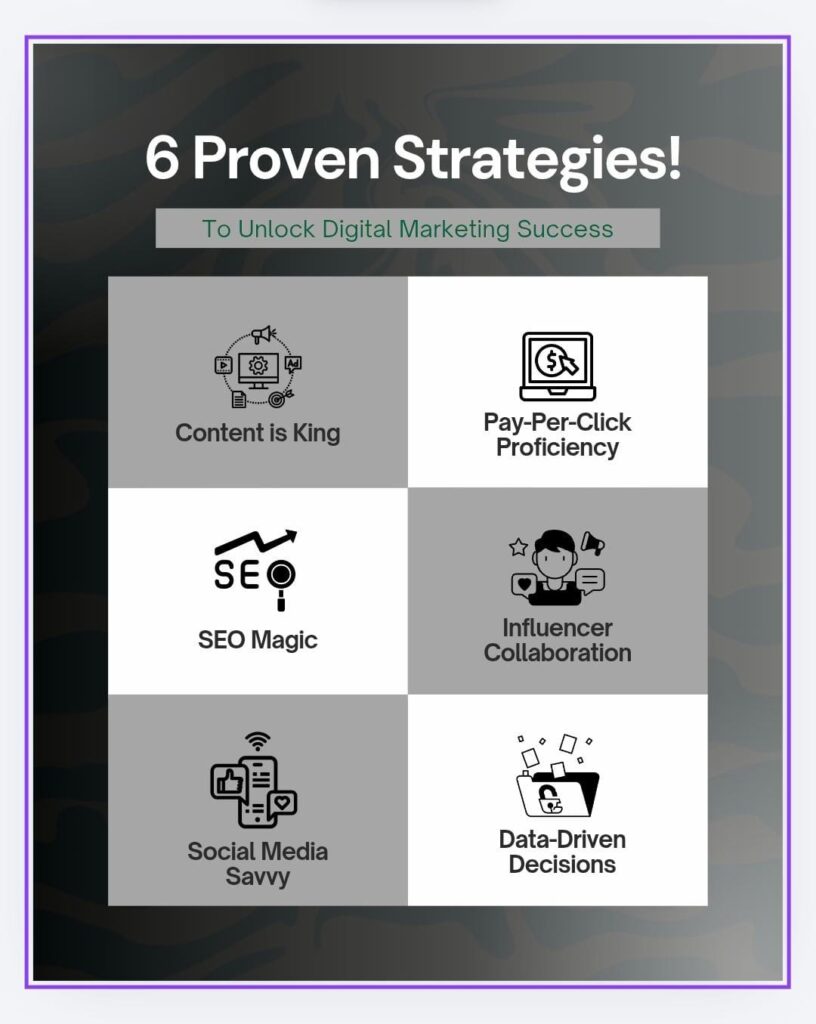
How to Start SEO as a Beginner
The first thing to do to start is to learn what SEO is and how search engines work. Beginners should start with basic keyword research, using easy and simple search terms related to their subject or business.
Then, they should write useful and easy-to-read content, use basic on-page SEO, and ensure their website loads quickly and is mobile-friendly. Learning in a gradual and consistent manner is the best way to develop excellent skills.
Future of Beginners
The future of SEO will be more about content quality, user experience, and search intent. Search engines are becoming smarter and more proficient in understanding natural language and user behavior.
For beginners, this means that writing clear, honest, and helpful content will be more valuable than using technical SEO tactics. Websites that serve users well will continue to rank well in the future .
Conclusion –Entering the World with Confidence
internal link :https://staging.shaikhtahira.in/digital-marketing-in-patna/ must read
Entering the SEO world can be confusing for beginners, but once they understand the basics, it becomes much simpler. SEO is not about getting fast results or using tricks, but it’s all about creating valuable content and optimizing your website gradually.
If newbies learn more about keyword research, on-page SEO, website optimization, and user needs, they will be able to enter the SEO world with confidence and succeed in the field of search engine optimization.
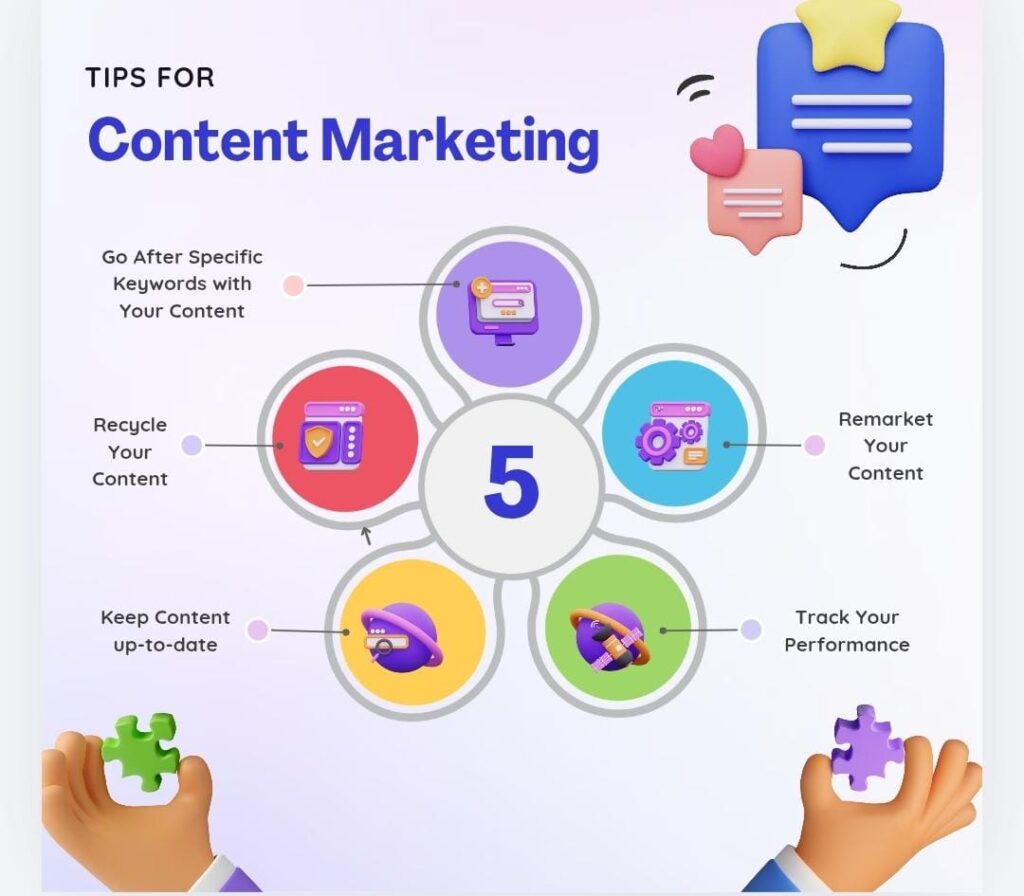
follow us on: digital world 506
do follow us on https://hpanel.hostinger.com